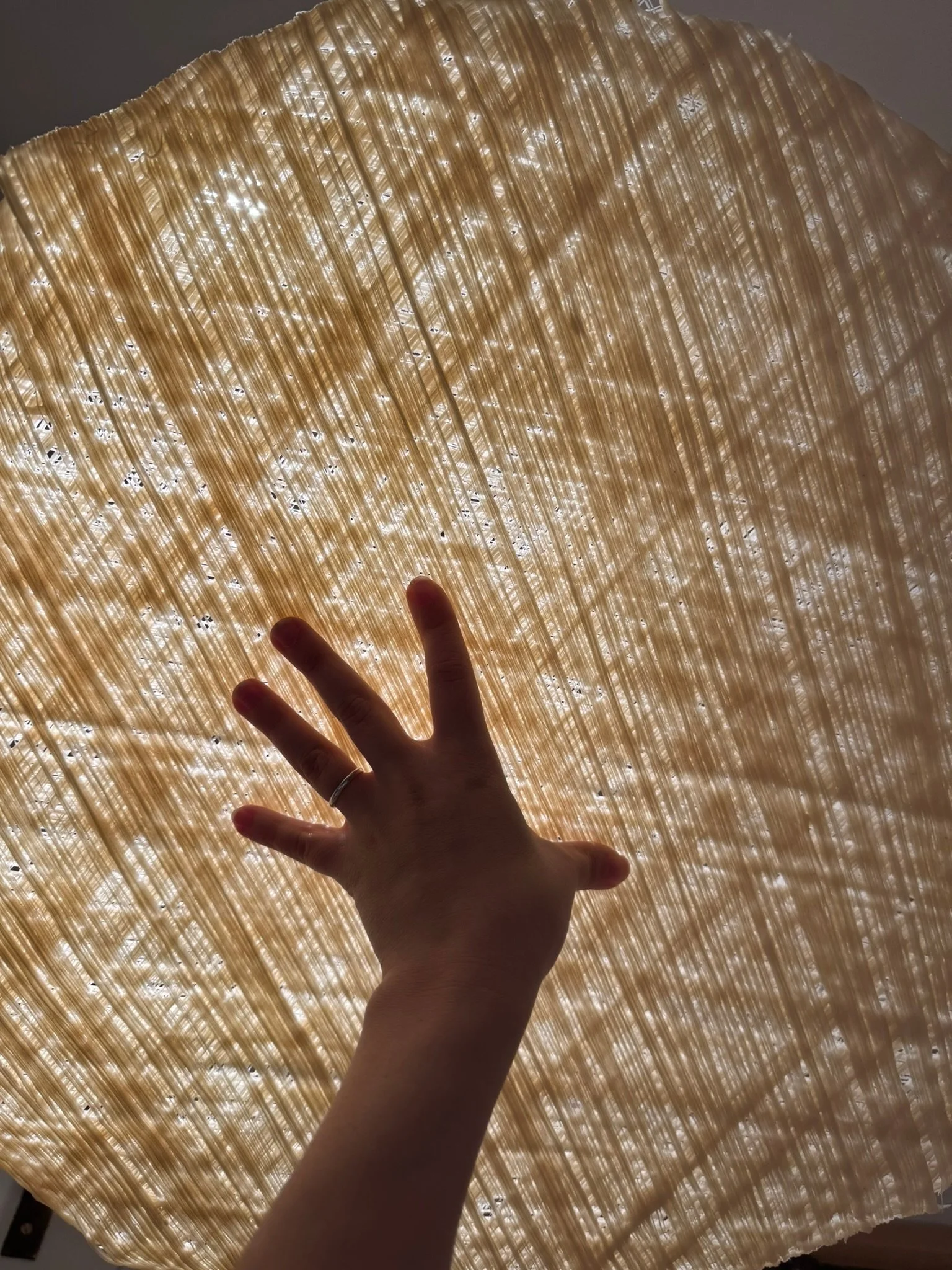
One of the rarest pasta traditions in the world.
SU FILINDEU
The Threads of God
There are pasta techniques that can be learned from a recipe.
Su filindeu is not one of them.
Originating in Nuoro, in the mountainous heart of Sardinia. Its name is commonly translated as “the threads of God,” a reference that feels fitting for something made from only semolina, water and salt, yet requiring extraordinary skill to produce.
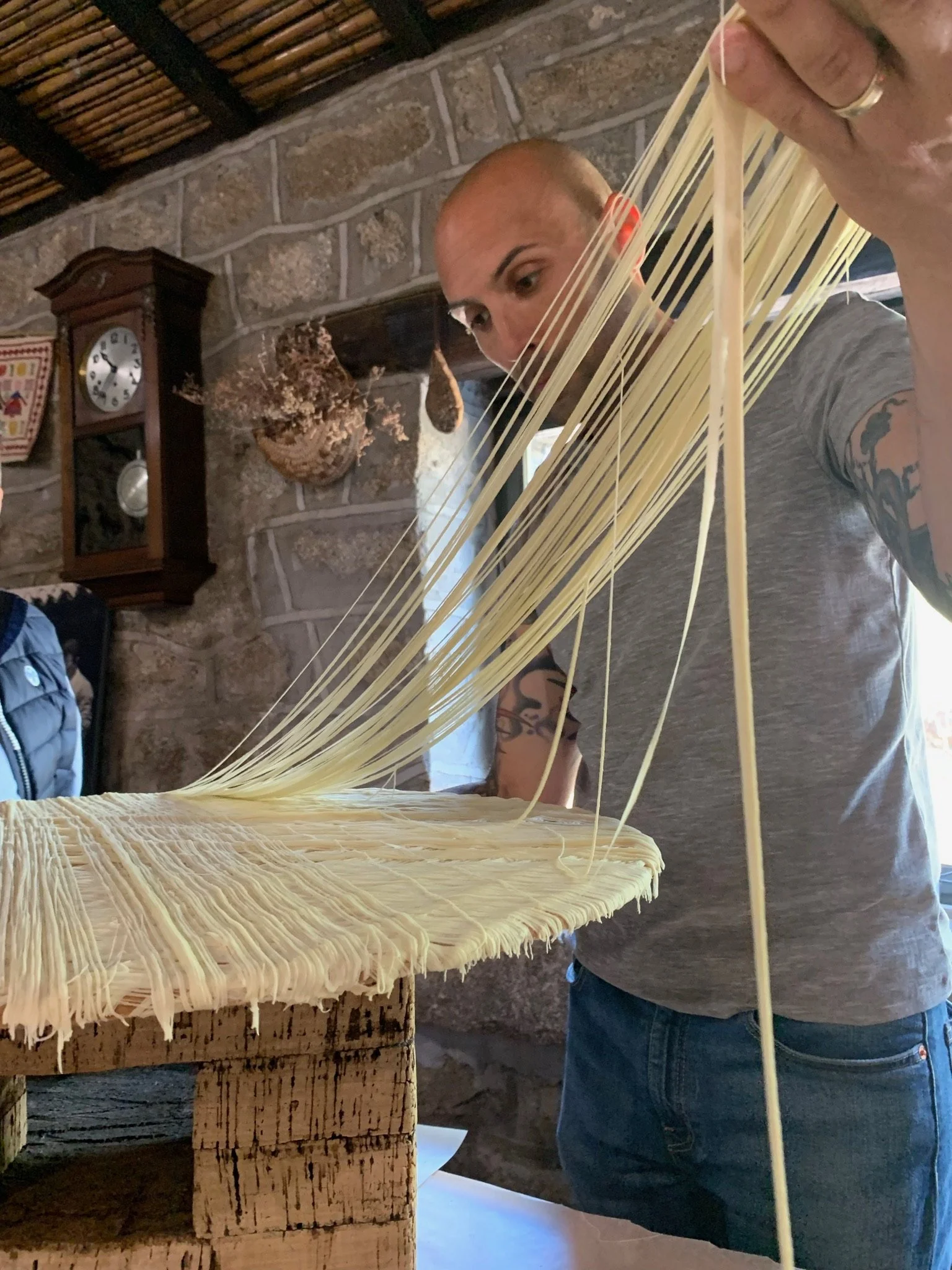
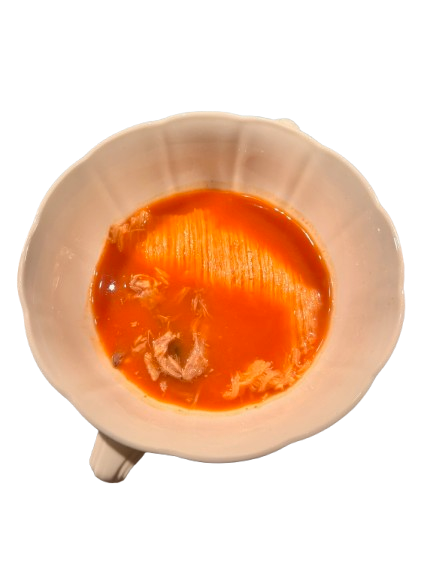
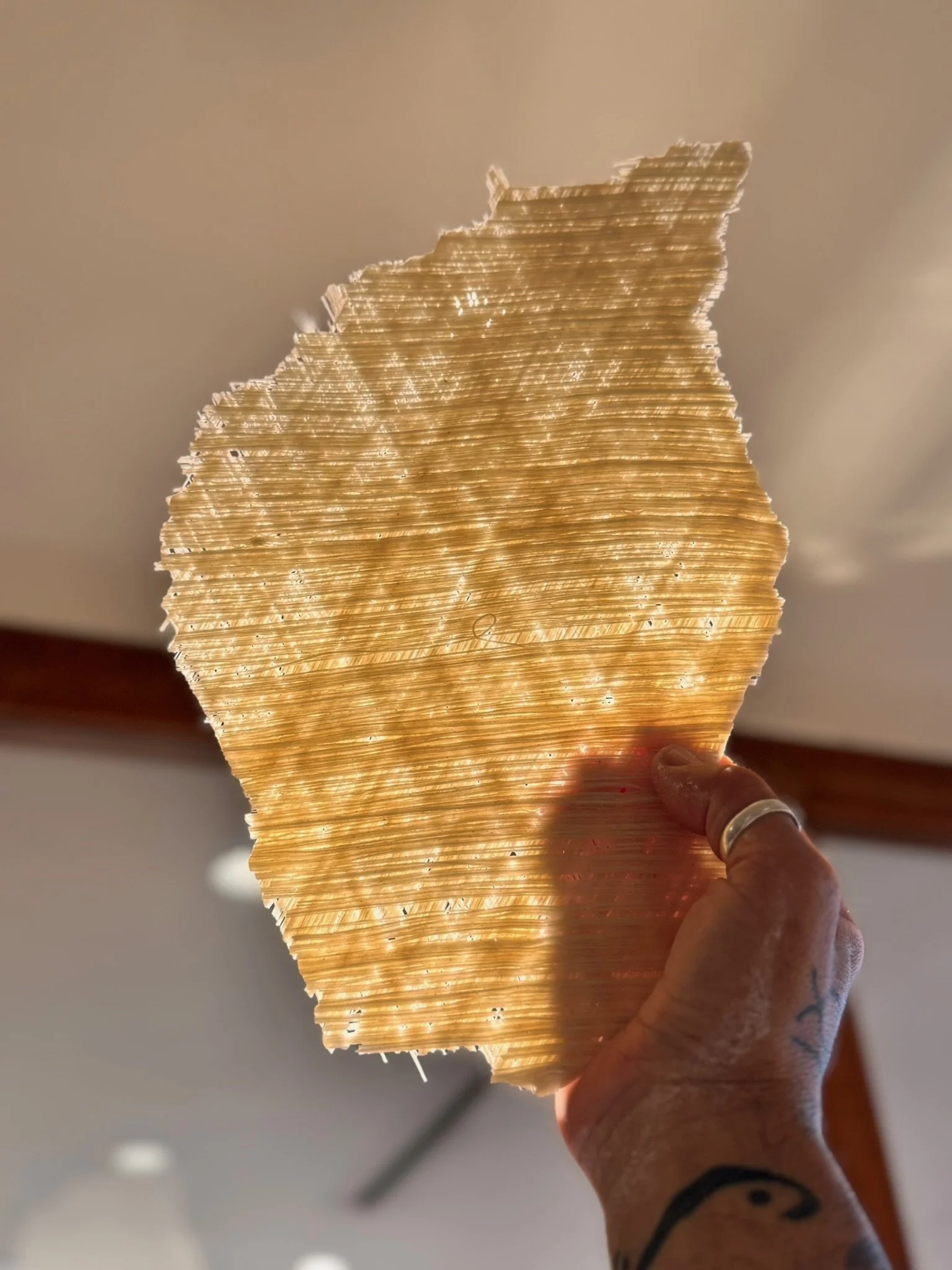
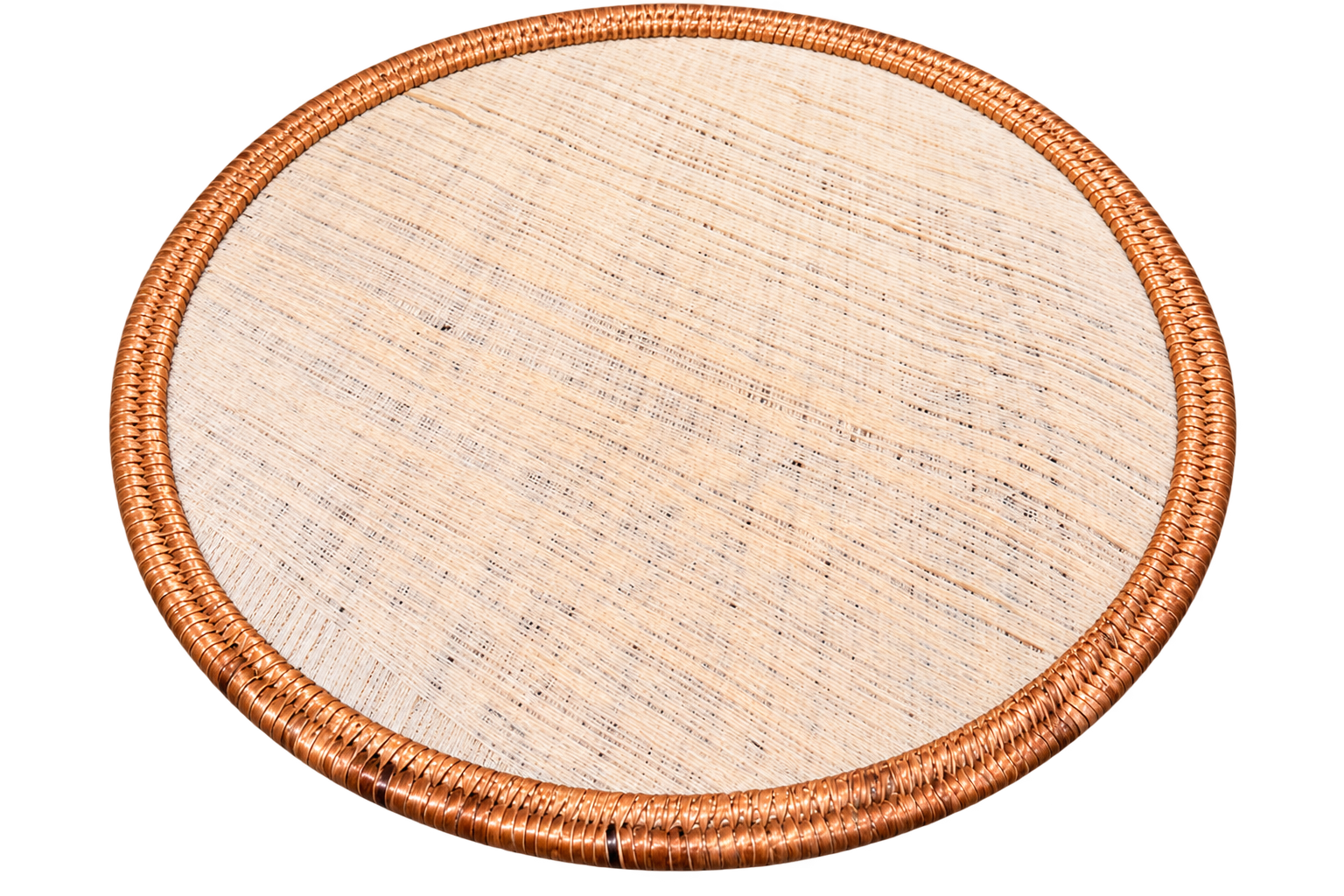
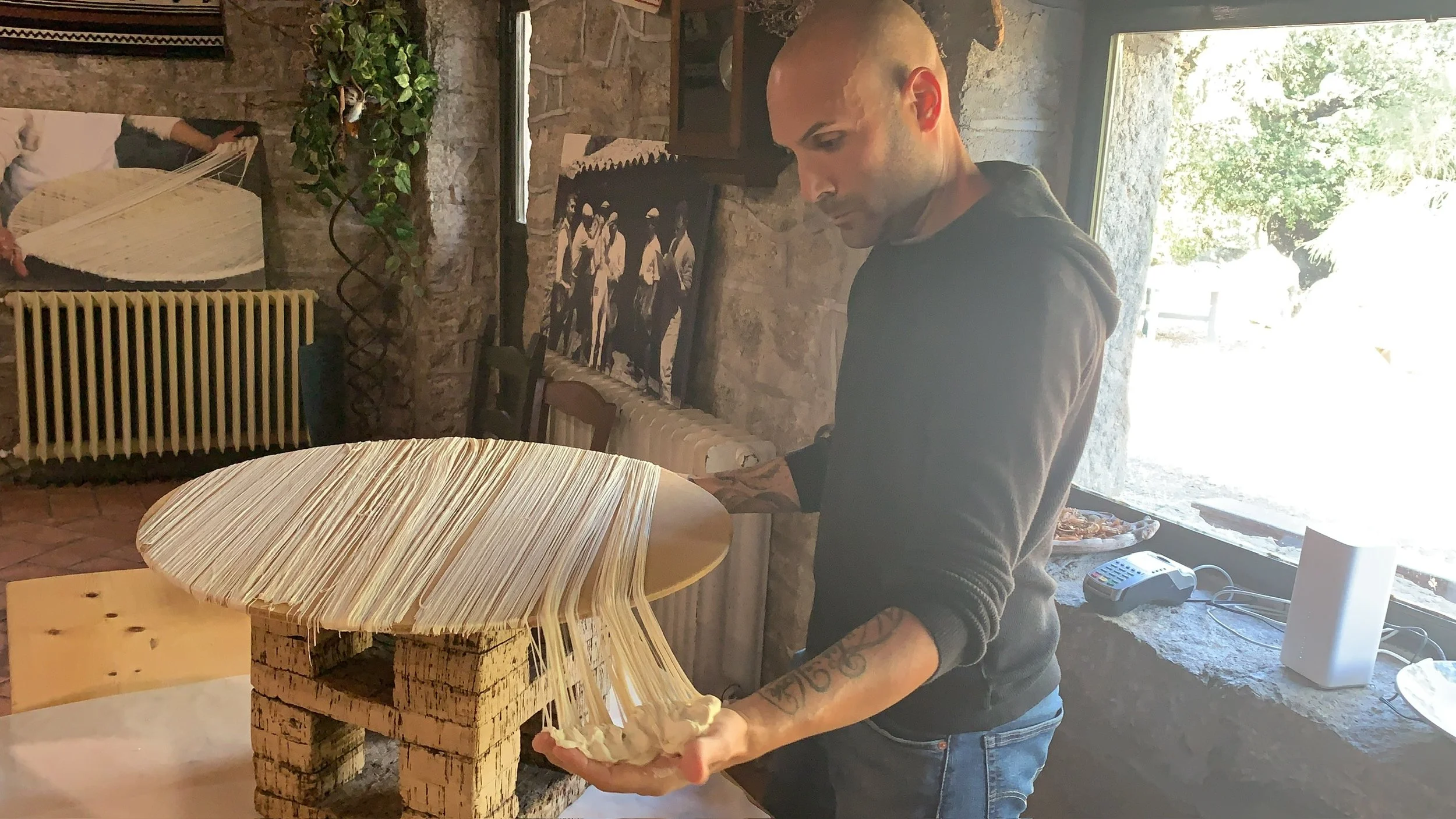
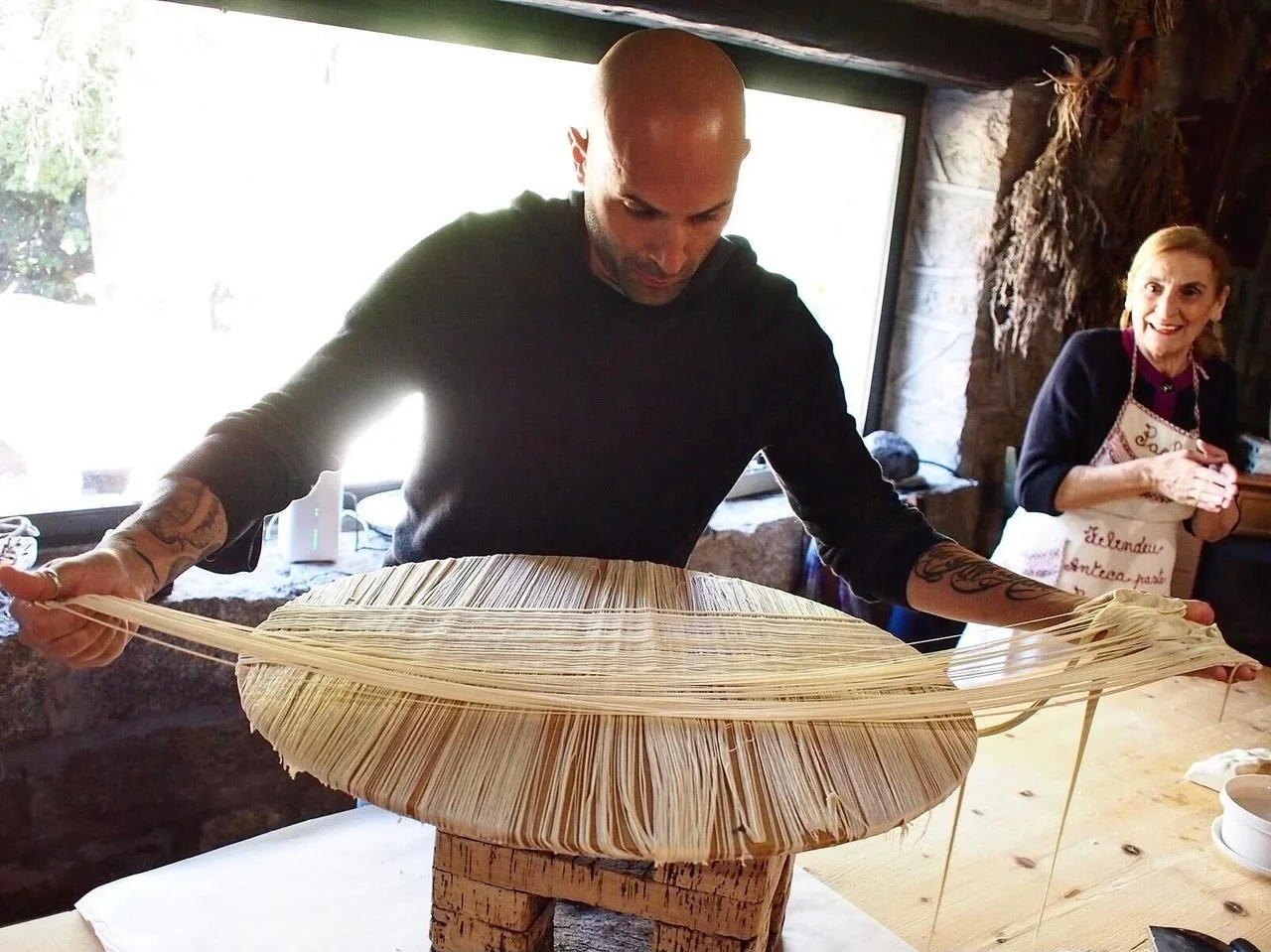
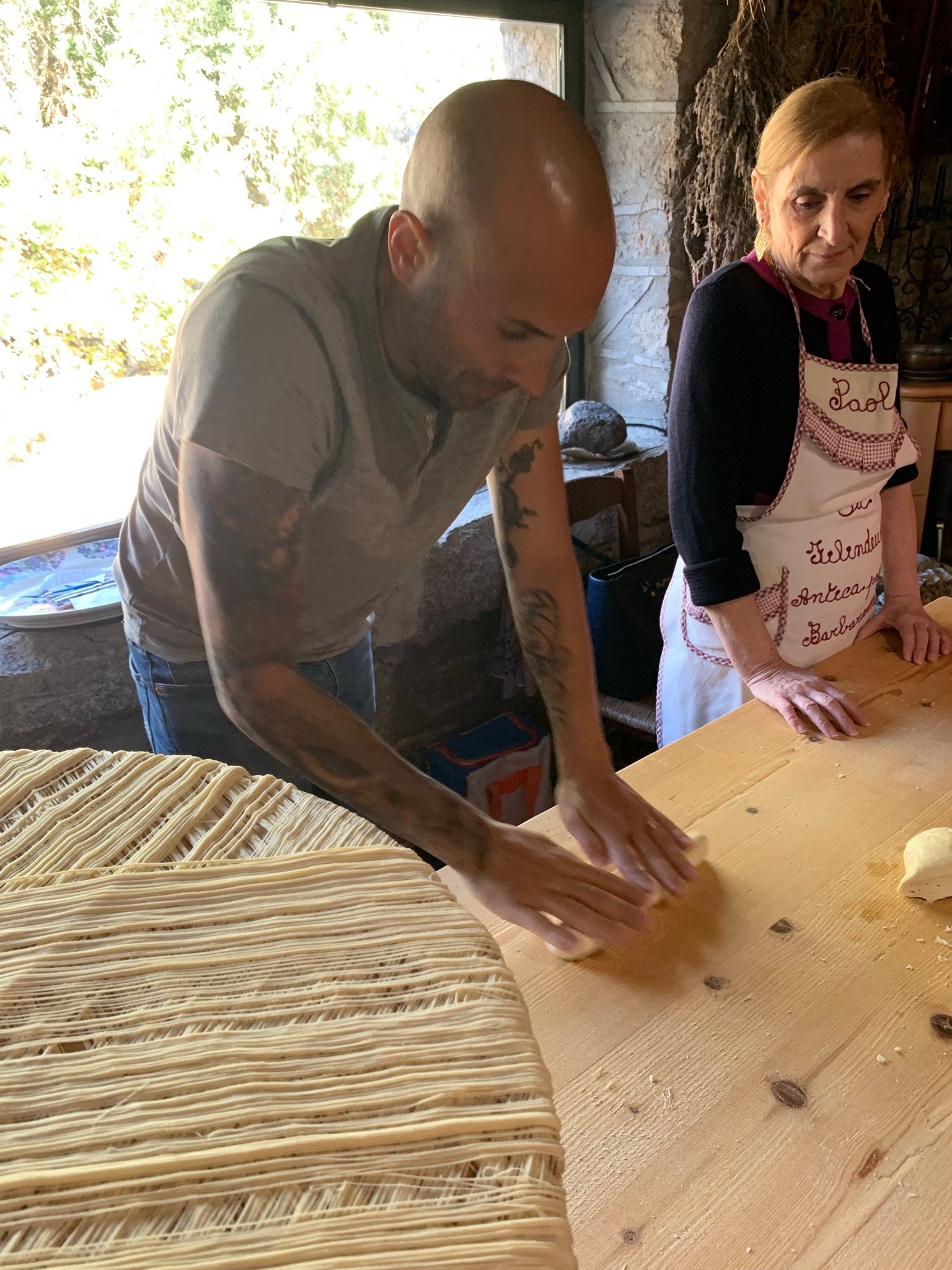
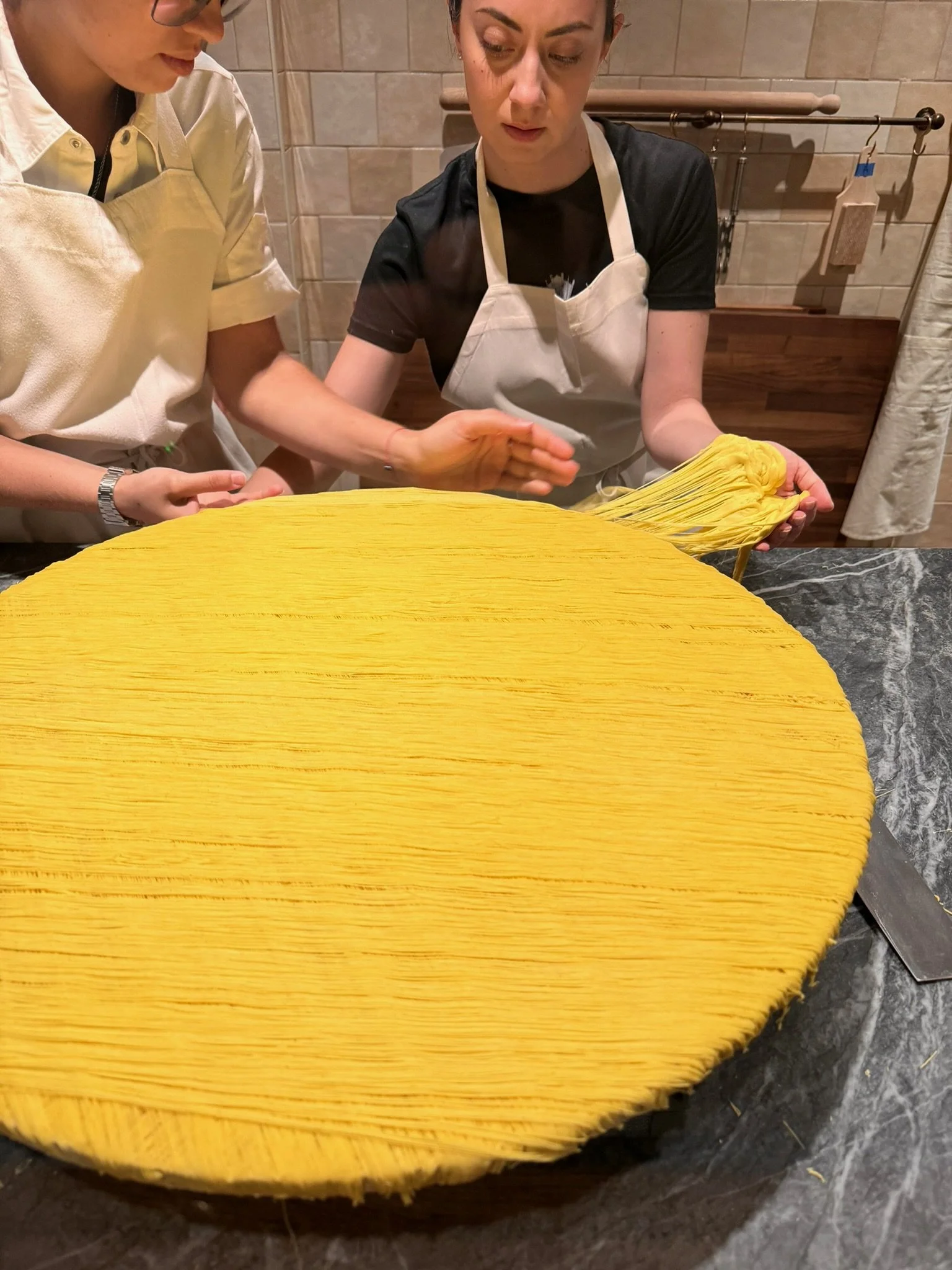
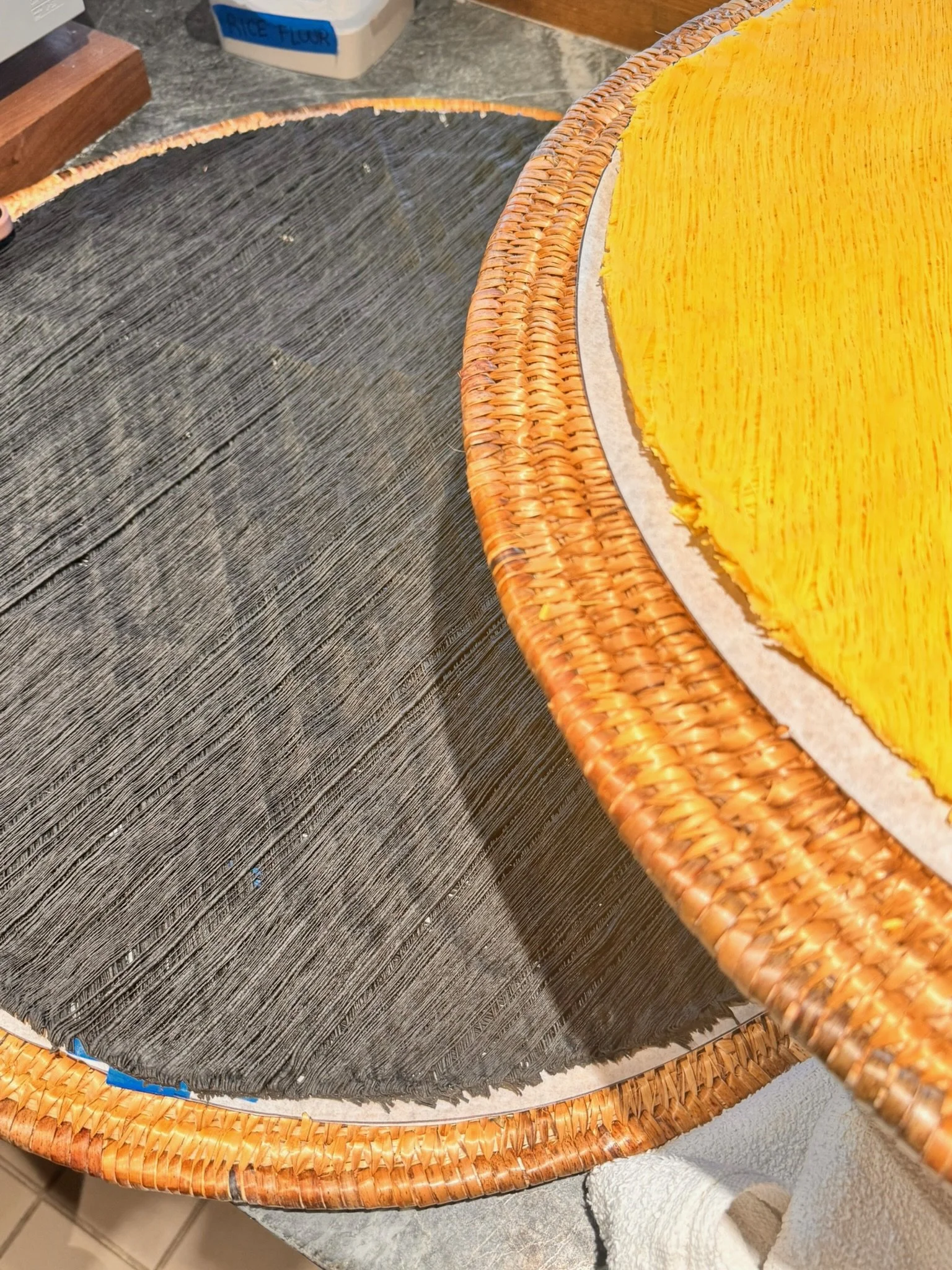
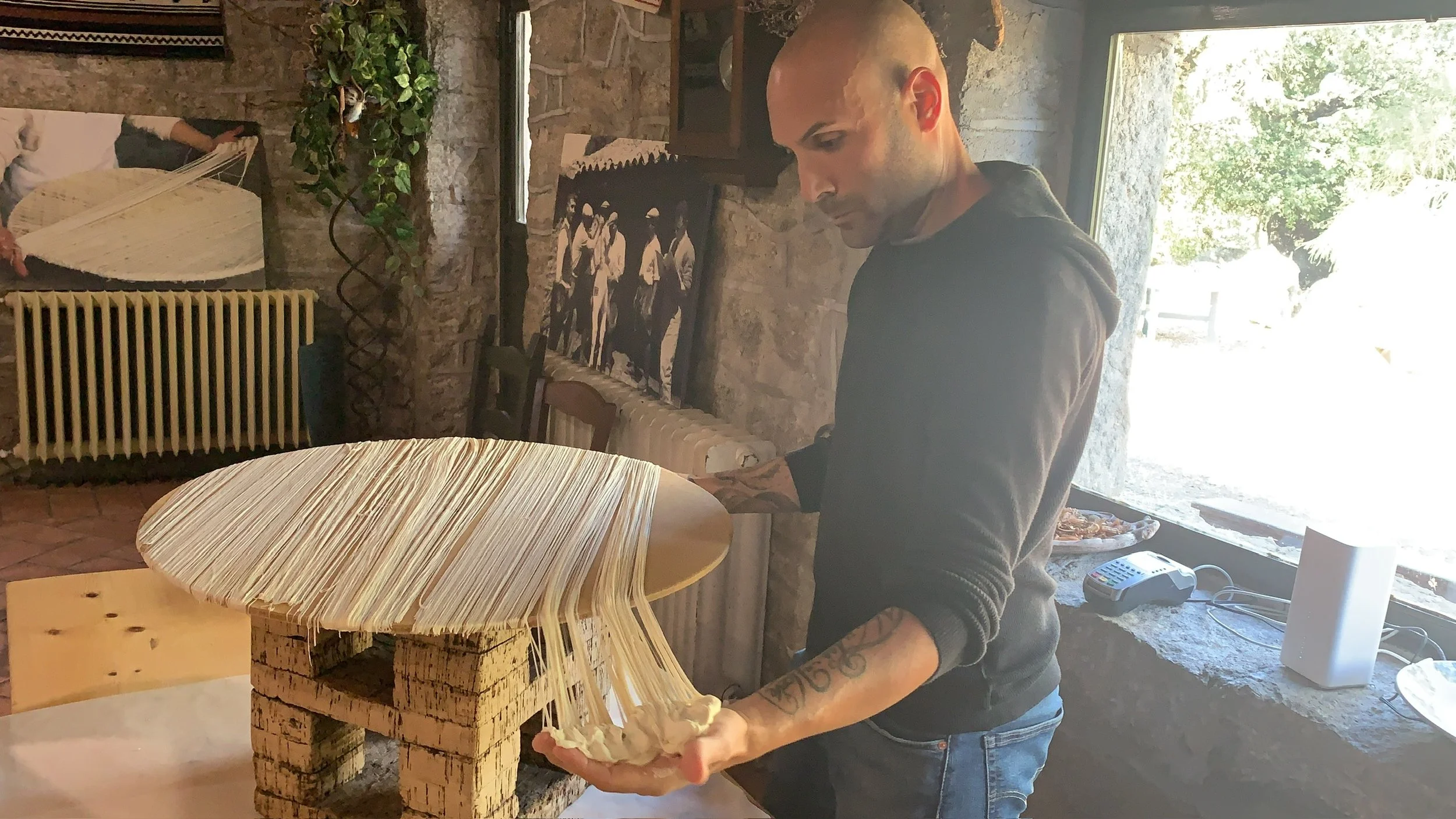
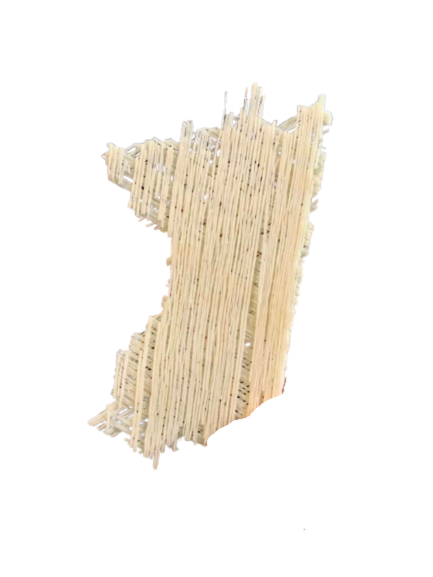
The dough is repeatedly pulled by hand into impossibly fine strands, then stretched across a circular surface in overlapping layers and left to dry. Traditionally, it is broken into pieces and cooked in mutton broth with pecorino for the Feast of San Francesco di Lula, a religious pilgrimage deeply rooted in the culture of Nuoro.
learning from a master
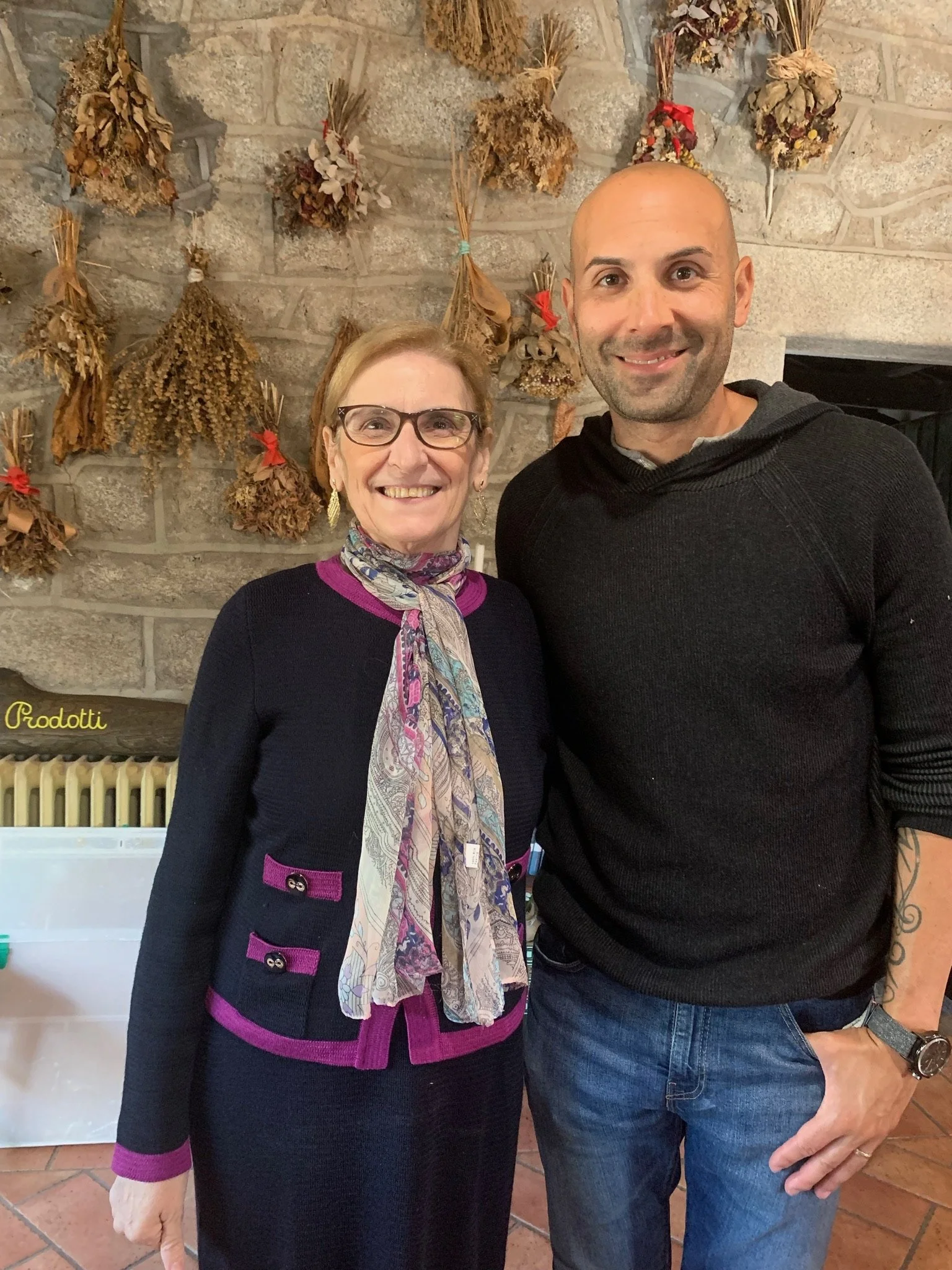
Rob traveled to Nuoro, Sardinia, to learn the technique directly from Paola Abraini, one of the few remaining masters and custodians of su filindeu.
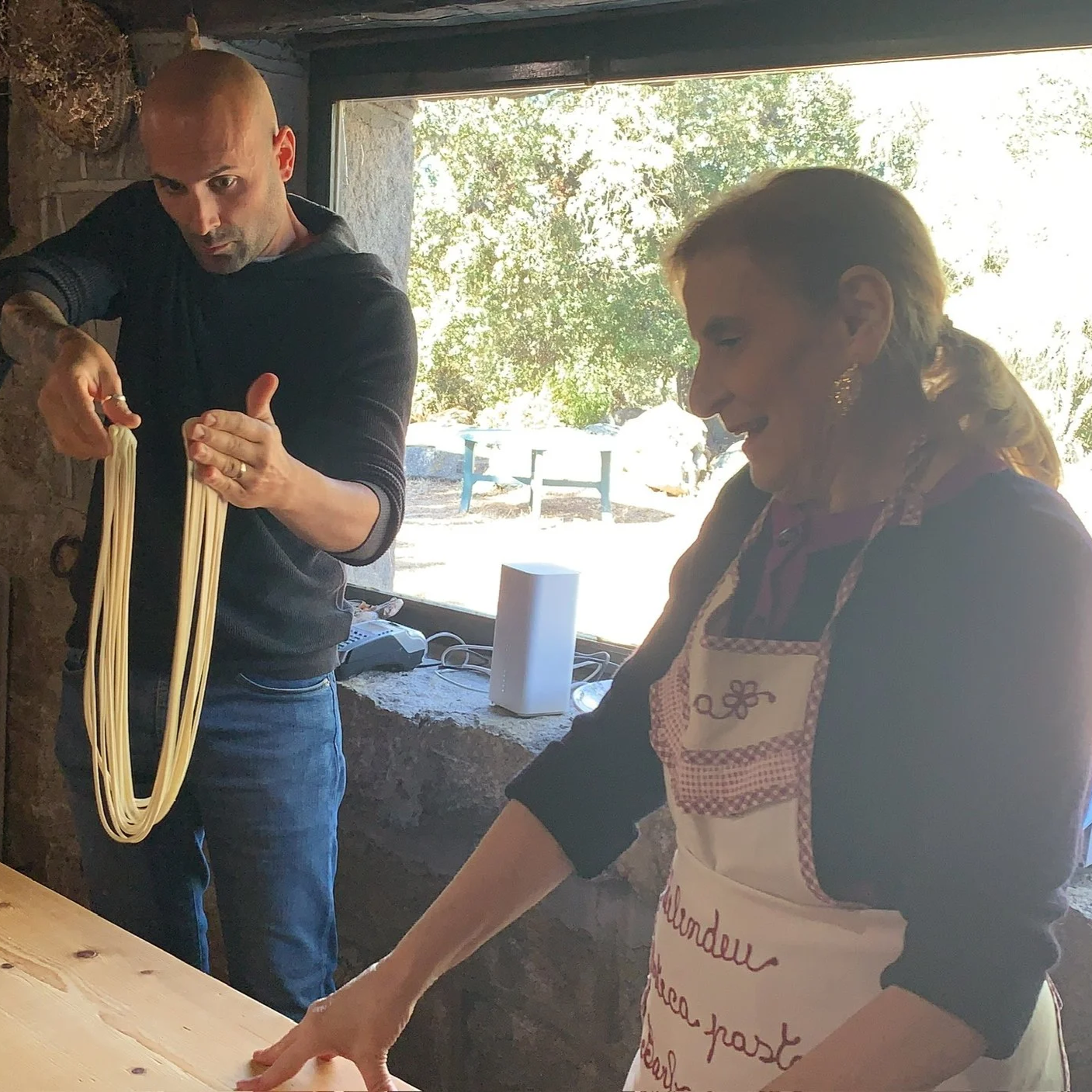
For generations, the knowledge required to make it was passed through families rather than cookbooks or culinary schools. The ingredients are simple. The technique is anything but. The maker has to understand the dough through touch, adjusting instinctively as it changes in the hands. Paola herself has described the secret as being in the hands: knowing when to work, stretch and work the dough again.
For Rob, learning su filindeu was about more than mastering another pasta shape. It was an opportunity to learn directly from a living culinary tradition and from one of the people responsible for keeping it alive.
A Tradition Worth Carrying Forward
Rob's cooking has always been grounded in technique, place and the people behind the food.
Su filindeu brings all three together.
It is an exercise in patience and repetition, but also in respect. Some techniques aren't meant to be reinvented. They are meant to be learned properly, practiced relentlessly, and carried forward with an understanding of where they came from.